

Common problems with Ilford bulky rubbish collections
Posted on 14/06/2026
If you have ever tried to get rid of an old sofa, a broken wardrobe, or a pile of mixed household waste in Ilford, you will know it is rarely as simple as putting things outside and hoping for the best. The common problems with Ilford bulky rubbish collections usually show up at the worst time: a move, a renovation, a spring clear-out, or the moment a piece of furniture finally gives up. And to be fair, that is when people need the process to be calm and predictable, not fiddly.
This guide looks at what typically goes wrong, why it happens, and how to avoid the usual headaches. We will cover collection delays, access issues, pricing surprises, item restrictions, safety concerns, and the practical steps that make bulky waste removal much easier. If you are comparing options or trying to solve a problem quickly, this should give you a clear way forward.
For readers who want the bigger picture on waste services in the area, it can also help to look at the wider services overview and the specialist rubbish collection in Ilford page alongside this article.
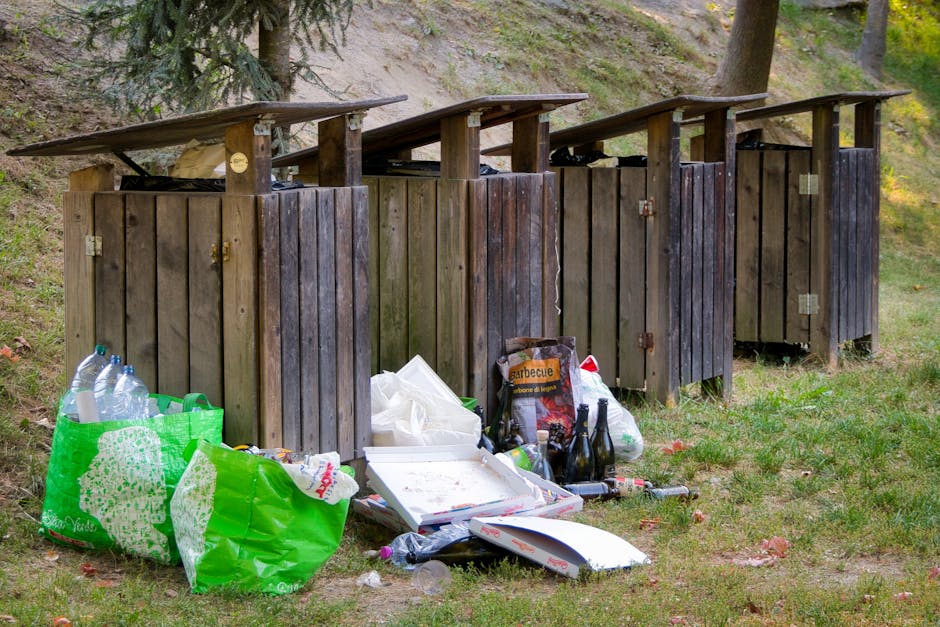
Why Common problems with Ilford bulky rubbish collections Matters
Bulky rubbish sounds straightforward until you are the one trying to move it. A mattress can be awkward. A broken chest of drawers can shed screws into the hallway. A sofa that looked manageable in the flat suddenly feels like a narrow-staircase puzzle. That is why understanding the common problems with Ilford bulky rubbish collections matters before you book anything.
For many people, bulky waste removal is not just about convenience. It affects how quickly a property can be cleared, whether a renovation stays on schedule, and whether your home remains safe and tidy in the meantime. In a busy part of London, with flats, terraced homes, parking pressure, and tighter access in some streets, small mistakes can become expensive delays.
There is also a trust angle. A lot of frustration comes from not knowing what is included, whether heavy lifting is covered, or what happens if the crew cannot get close enough to the property. The good news? Most of these issues are avoidable once you know what to check.
Expert summary: most bulky rubbish problems in Ilford come down to three things: access, item type, and expectations. Get those right, and the whole job gets easier.
How Common problems with Ilford bulky rubbish collections Works
In simple terms, bulky rubbish collection means removing large items that are too big for ordinary bins and too awkward for regular waste handling. Think sofas, wardrobes, mattresses, tables, white goods, garden furniture, and mixed household clutter. Some collections are booked for a single item. Others are arranged for a full property clear-out or a grouped collection after moving house.
Typically, the process works like this: you describe the items, the provider estimates the load, a date is arranged, and the team arrives to remove everything. The details matter more than most people expect. A quote might depend on how much space the waste takes up, how many people are needed to carry it, whether the items are in a loft, basement, or upper floor, and whether parking is available nearby.
This is where many common problems with Ilford bulky rubbish collections begin. The customer expects a simple lift-out. The provider sees stairs, narrow hallways, metal bed frames, awkward corner turns, or contaminated items that need special handling. Nobody is being difficult; the job just has more moving parts than it first appears.
If your waste is mixed with general rubbish, furniture, or refurbishment debris, it may be worth looking at related services such as furniture disposal in Ilford or waste clearance in Ilford to match the job more closely.
Typical stages in a bulky collection
- Identify the items and separate anything reusable, recyclable, or hazardous.
- Measure access points such as doors, stairwells, lifts, and parking distance.
- Get a quote based on item type, weight, volume, and labour.
- Confirm the collection window and prepare the items for removal.
- Ensure clear access on the day so the crew can work safely and quickly.
Key Benefits and Practical Advantages
When bulky rubbish collections are planned well, they save time, reduce stress, and prevent the "it will do for now" clutter from lingering for weeks. You can get your room, hallway, garage, or office space back much faster than trying to break everything down yourself. And yes, your back will probably thank you too.
There are a few practical advantages worth noting:
- Less physical strain: large items are moved by people who are used to handling awkward loads.
- Better sorting: reusable and recyclable materials can be separated more efficiently.
- Cleaner finish: the space is cleared in one visit instead of in bits and pieces.
- Less disruption: a proper collection avoids repeated trips to disposal points.
- More predictable timing: especially useful for house moves and refurbishments.
There is also a quieter benefit: peace of mind. Once the old sofa, broken wardrobe, or pile of loft clutter is gone, the room feels bigger. You notice the light again. Oddly satisfying, that.
For customers who are balancing cost and convenience, it may help to review pricing and quotes before making a decision. Clear pricing tends to reduce most of the problems people complain about later.
Who This Is For and When It Makes Sense
Bulky rubbish collection is useful for more people than you might think. It is not only for landlords or large household clear-outs. In practice, it helps anyone facing awkward, oversized, or hard-to-dispose-of items.
You may need it if you are:
- moving home and need old furniture gone before completion day
- refreshing a rented flat and have a deadline to meet
- clearing a loft, garage, shed, or spare room
- replacing furniture after a renovation
- running a small business that has bulky waste to remove
- dealing with the aftermath of a house clearance or bereavement
In Ilford, this is particularly relevant because many properties sit close together and access can be awkward. A collection that looks simple on paper may become tricky if the item has to pass through tight hallways or be carried down several flights of stairs. Sometimes the item is not even the issue; it is the route to the item.
If you are dealing with a larger cleanout, services like house clearance in Ilford or loft clearance in Ilford may suit you better than a simple one-item pickup.
Step-by-Step Guidance
If you want to avoid the most common problems with Ilford bulky rubbish collections, it helps to work through the job in a sensible order. Not glamorous, granted, but it saves a lot of grief.
1) List every item clearly
Write down what needs removing. Include furniture, mattresses, broken appliances, garden waste, and mixed debris separately. A vague description like "a few bits and pieces" usually leads to a vague quote, which is not ideal when you need certainty.
2) Check what can be removed safely
Some items need extra care. Fridges, freezers, large glass units, paint tins, and anything with sharp or hazardous material should be flagged early. If you are unsure, ask before collection day rather than leaving it to chance.
3) Measure the access route
Door width, stair turns, lift size, parking access, and distance from the vehicle all matter. A roomy item in a tiny hallway is where trouble starts. If you have ever tried to wrestle a king-size mattress around a corner, you already know the feeling.
4) Confirm the quote structure
Ask how the price is calculated. Is it by item, volume, labour time, or a mix of all three? Are there extra charges for stairs, long carries, or same-day service? A proper quote should not feel like a mystery novel.
5) Prepare the items before arrival
Move smaller loose objects away from the route, disconnect appliances where safe, and make sure the access path is clear. This does not need to be perfect. Just enough so the crew can work without constantly stepping around shoes, bags, and plant pots.
6) Stay available during the collection window
If the crew has a question about an item, access, or sorting, it helps if someone is reachable. A quick answer can prevent delays. Five minutes of clarity beats twenty minutes of guessing.
Expert Tips for Better Results
From a practical point of view, the best bulky rubbish jobs are the ones that are prepared calmly. Nothing fancy. Just a few smart habits.
- Photograph the items from a few angles. This helps reduce misunderstandings and makes quoting easier.
- Separate recyclables where practical. Mixed loads can be more awkward to process.
- Remove personal items first. People often forget what is tucked inside drawers or under seats. It happens.
- Think about timing. A morning collection can be easier if parking is tighter later in the day.
- Ask about stair carries and difficult access. Better to discuss it upfront than have a surprise on arrival.
One simple but overlooked point: label anything that should not be taken. If several people are involved in the same property, confusion can creep in fast. A bit of tape on a door or box can save an annoying mistake.
For local context, reading about the area can help you understand the sort of property layouts and access conditions you are likely to face. The posts on living in Ilford and the Ilford property market both give useful background on how homes in the area vary.

Common Mistakes to Avoid
This is where many people trip up. The problems are usually not dramatic, just inconvenient. But inconvenient is enough when you are working to a deadline.
- Under-describing the waste: leaving out a mattress, shed panels, or extra bags can change the job significantly.
- Ignoring access: a front-door pickup is very different from a third-floor carry with no lift.
- Assuming all items are standard: some waste types need special handling.
- Forgetting parking restrictions: if the vehicle cannot stop nearby, the job can take longer.
- Not checking the service scope: some collections are limited to certain item types or load sizes.
- Leaving everything until the last minute: that is when stress creeps in and details get missed.
Another common issue is assuming the cheapest quote is the best. Sometimes it is. Sometimes it really isn't. The lower price can disappear once access, labour, or item type is properly checked. If you want to understand the difference between an honest price and a tricky one, the article on avoiding hidden rubbish removal charges in Ilford is worth a look.
Tools, Resources and Recommendations
You do not need specialist kit to manage a bulky collection well, but a few simple tools make the process smoother.
- Tape measure: useful for doors, stairwells, and furniture dimensions.
- Phone camera: helpful for recording item condition and access points.
- Marker tape or labels: useful if some items are staying and others are going.
- Gloves and sturdy footwear: sensible if you are moving smaller items before collection.
- Notebook or checklist: good for keeping a clear list of what needs removing.
From a service perspective, it is often helpful to browse the relevant pages depending on your load. For example, garden waste jobs are not the same as furniture jobs, and builders' debris is a different beast again. The pages for garden waste removal in Ilford and builders waste disposal in Ilford can help you match the service to the waste type.
If you are looking for broader service information, about us and recycling and sustainability are also useful for understanding how the company works and how materials are handled.
Law, Compliance, Standards, or Best Practice
Bulky rubbish collections in the UK sit within ordinary waste-handling expectations, so the main thing is to use a provider that deals with waste responsibly and communicates clearly. You do not need to become an expert in waste law to book a collection, but you should understand a few sensible basics.
Best practice usually includes:
- accurate description of the waste
- safe manual handling
- clear pricing before work starts
- appropriate handling of recyclable and non-recyclable materials
- reasonable care around access, property, and neighbours
If a company cannot explain what happens to collected waste, that should raise a question. Not panic, just a question. The same applies if they cannot explain safety arrangements or how they manage payment securely. For peace of mind, it is fair to review pages such as insurance and safety and payment and security before confirming a booking.
There is also a practical legal point for households and businesses: waste should be handed to a legitimate collector who can deal with it properly. That is not just a technical detail. If waste is fly-tipped or mishandled after collection, it can create hassle for everyone. Best to stay on the safe side.
Options, Methods, or Comparison Table
There is no single best method for every bulky waste job. The right choice depends on the item, access, urgency, and budget. Here is a simple comparison that may help.
| Method | Best for | Pros | Limitations |
|---|---|---|---|
| Single bulky item collection | One sofa, mattress, appliance, or similar item | Simple, quick, easy to arrange | Can become inefficient if several items are involved |
| Multi-item rubbish collection | Mixed household clutter or several large objects | Better value for bigger clear-outs | Needs more accurate description upfront |
| House clearance | Whole rooms, lofts, or complete properties | Comprehensive and time-saving | Usually not the cheapest option for just one item |
| Furniture disposal service | Heavy or awkward furniture pieces | Useful for bulky household goods | Not always suitable for mixed waste loads |
| Builders waste disposal | Renovation debris, offcuts, and rubble-like waste | Matches construction jobs better | May not suit domestic furniture or general rubbish |
If your job is mostly furniture-related, the specific furniture disposal service is usually more appropriate. If you have a broader mixed load, the wider waste clearance option may be the better fit.
Case Study or Real-World Example
Here is a realistic example from the sort of situation many Ilford residents face. A family is moving out of a two-bedroom flat and needs to remove a damaged sofa, a double mattress, a bookcase, and several bags of mixed clutter from the spare room. Nothing outrageous. Just enough to make the moving week feel a bit too full.
At first glance, the job sounds simple. But the flat is on an upper floor, parking is tight, and the sofa does not fit neatly around the staircase corner without being angled carefully. The family initially thought a quick collection would be fine. Once they checked the route, they realised access was the main issue, not the waste volume.
They took photos, measured the hallway, and separated the items by type. That meant the quote was more accurate, the crew knew what to expect, and the collection could be completed in one visit rather than turning into a drawn-out back-and-forth. No fuss. Just sensible preparation.
This kind of situation comes up a lot around busier local routes too. If you want a feel for how collections vary by street and property type, the guide to rubbish removal near Ilford High Road offers a useful local angle, while the article on shop and cafe rubbish collection near Ilford Station shows how commercial access issues can differ from domestic ones.
Practical Checklist
Use this quick checklist before you book a bulky rubbish collection in Ilford.
- List every item that needs to go.
- Separate furniture, mixed waste, and special items.
- Take a few clear photos.
- Measure doors, stairs, and any tight turns.
- Check parking and access close to the property.
- Ask how pricing is calculated.
- Confirm whether heavy lifting and stairs are included.
- Ask about recyclable or special items if relevant.
- Clear the route as much as possible.
- Keep your phone handy during the collection window.
Quick takeaway: the smoother the information you give upfront, the fewer surprises you will get later. Simple, but true.
Conclusion
The common problems with Ilford bulky rubbish collections are usually practical, not dramatic: awkward access, vague descriptions, pricing uncertainty, and item restrictions. Once you understand those pressure points, the whole process becomes much easier to manage. A bit of preparation goes a long way, especially in homes where stairs, parking, and tight layouts are part of everyday life.
If you are dealing with a one-off sofa, a full clear-out, or a mixed load after a move, the key is to match the service to the waste and be honest about the details. That is how you avoid delays, extra costs, and the frustrating "we'll need to come back" moment. Nobody wants that. Least of all on a busy weekday afternoon.
Get a free quote today and see how much you can save.
With the right plan, bulky waste removal does not have to feel like a chore hanging over your head. Get it sorted once, and enjoy the room coming back to life.

 Tipper Van - Rubbish Removal and Rubbish Collection Prices in Ilford, IG1
 Luton Van - Rubbish Removal and Rubbish Collection Prices in Ilford, IG1

