

Avoid hidden rubbish removal charges in Ilford
Posted on 06/06/2026
Avoid hidden rubbish removal charges in Ilford: a practical guide for clear, honest pricing
If you have ever booked a clearance job and then felt your stomach drop when the final bill arrived, you already know why people search for ways to avoid hidden rubbish removal charges in Ilford. The quote looked fine. The job was straightforward enough. Then suddenly there were extra fees for lifting, parking, access, contamination, labour, or "unexpected" waste. Annoying? Absolutely. Avoidable? Often, yes.
This guide walks you through how rubbish removal pricing should work in real life, what hidden charges typically look like, and how to compare providers without getting caught out. If you live in Ilford, run a business near the station, manage a flat off the High Road, or just want a one-off clear-out without drama, this is for you. Let's make the pricing side plain English, because honestly, it should be.
For readers planning a wider clearance project, it can also help to look at the bigger picture of local services and where they fit in a move, renovation, or office tidy-up. Pages like the services overview and pricing and quotes are useful starting points when you want to understand how a provider structures work before you commit.
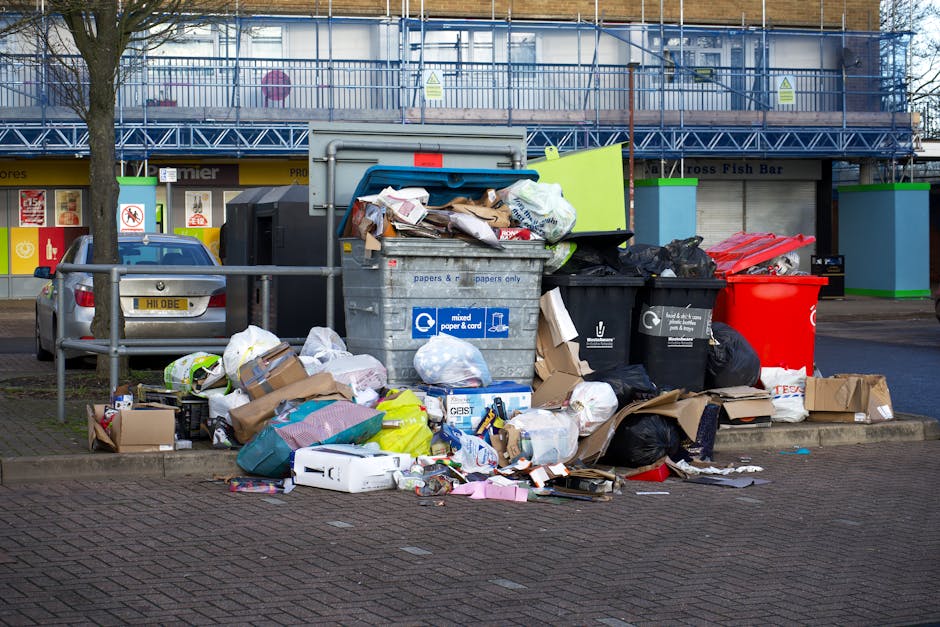
Why avoiding hidden rubbish removal charges in Ilford matters
Hidden fees are not just a nuisance. They distort your budget, slow down the job, and make it harder to compare one company with another. In a busy area like Ilford, where homes, shops, flats and offices all produce different kinds of waste, pricing should be clear enough for you to judge whether a quote is fair before anyone turns up.
That matters for three simple reasons. First, rubbish removal is often time-sensitive. Maybe you need a cleared room before new furniture arrives, or the builders are due in the morning and the skip space is already a non-starter. Second, a misleading quote can create pressure on the day. People rarely want to argue with a van already outside their door. Third, unclear pricing can make a basic job feel more stressful than it should. And frankly, no one needs that on a rainy weekday with bins already spilling onto the pavement.
Transparent pricing also builds trust. A company that explains what is included, what might change, and what would count as extra is usually giving you a more realistic service. If you are comparing local options, a page like rubbish collection in Ilford can help you understand the kind of work a removal team may handle and how the service fits everyday domestic or commercial waste.
One more thing: clear pricing helps protect your decision-making. When a quote is properly itemised, you can decide whether to book immediately, adjust the load, or split the work into stages. That is a lot better than finding out after the fact that an old sofa suddenly became a premium item because it had a drawer missing. Yes, that happens.
How rubbish removal pricing should work
Good rubbish removal pricing is usually built around a few straightforward variables: the volume of waste, the type of waste, how easy it is to access, and how long the team needs to load and remove it. In the UK, many companies quote based on load size or estimate ranges, then confirm the final cost once they have seen the rubbish in person or through photos.
A clear quote normally answers these questions:
- What exactly is included in the price?
- Is labour included, or charged separately?
- Does the price change if access is difficult?
- Are there extra charges for stairs, parking, or waiting time?
- Are there different rates for general waste, bulky items, builder's waste, or special materials?
- What happens if the actual load is bigger than described?
Some extra cost is legitimate. A first-floor flat with no lift, a tight mews, or a large amount of builder's rubble may genuinely take more time and effort. But legitimate extras should be explained before the job starts, not slipped in at the end with a shrug and a cheerful "that's just how it is."
For a more practical sense of how disposal services can vary by job type, look at furniture disposal in Ilford and builders waste disposal in Ilford. Different loads bring different handling needs, and that is exactly where pricing clarity matters most.
It also helps to think in terms of the quote process. A decent provider will either:
- ask for photos and basic details,
- give a clear price range or fixed estimate,
- explain what would trigger any change, and
- confirm the final figure before loading begins.
If the person on the phone refuses to explain anything, or gives a suspiciously vague "we'll see on the day," that is your cue to slow down. Maybe even walk away.
Key benefits and practical advantages
The obvious benefit is saving money, but the real value goes beyond that. Clear pricing reduces friction, improves planning, and makes the whole process feel much calmer.
- Better budgeting: you can set aside the right amount instead of padding the budget "just in case."
- Fewer disputes: agreed terms up front mean fewer awkward conversations at the kerbside.
- Faster decisions: a transparent quote makes comparison simple.
- More suitable service choice: you can match the job to the right service, whether that is a house clearance, office clearance, loft clearance, or routine collection.
- Less disruption: the crew arrives ready to work, not to renegotiate.
There is also a local benefit. In Ilford, properties vary a lot. A top-floor flat near the station is not the same as a ground-floor terrace, and a small shop near High Road is not the same as a family house with a loft full of old furniture. Transparent pricing helps reflect those differences fairly rather than hiding them behind a generic headline price.
When the service is more specialised, clear pricing becomes even more important. For example, house clearance in Ilford or office clearance in Ilford can involve mixed items, access issues, and time pressures. A provider that spells out these factors upfront is giving you a much safer starting point.
Expert summary: the best way to avoid hidden rubbish removal charges in Ilford is to insist on a quote that explains load size, labour, access, waste type, and any possible extra fee before the job begins.
Who this is for and when it makes sense
This advice is useful for almost anyone arranging waste removal, but it is especially relevant if you are:
- clearing a flat, house, loft, garage, or shed;
- moving out and need a same-week collection;
- renovating and need builder's debris removed;
- running a shop, cafe or office with regular waste surges;
- replacing bulky furniture;
- trying to avoid skip hire complications in a busy street;
- comparing different local rubbish removal companies.
Some situations are more likely to trigger hidden charges than others. A few common ones include a cluttered loft, items stored in several rooms, waste left outside in awkward spots, or a job where the provider assumed easy access but encountered stairs and long carry distances instead. It is not always a scam. Sometimes it is just poor communication. Still, poor communication costs money.
If you live locally, you may also want context about the area itself and how that affects the service you choose. Articles such as Uncovering Ilford as a suburban haven in London and how living in Ilford feels from residents' perspective can help if you are new to the area and want to understand property layouts, access, and typical local pressures.
Truth be told, this is also for people who simply do not want surprises. That is a perfectly reasonable standard. You are paying for a service, not a guessing game.
Step-by-step guidance
If you want to avoid hidden rubbish removal charges in Ilford, follow a process rather than booking the first van that sounds friendly. Friendly is nice. Clear is better.
1. List what needs removing
Start with a realistic inventory. Be specific. "Old stuff from the garage" is not enough. Write down bulky items, bagged waste, broken furniture, cardboard, timber, plasterboard, soil, garden waste, or mixed household clutter. If it is in a loft or at the back of a storage area, mention that too.
2. Take good photos
Photos help a provider judge volume and access. Use wide shots from several angles, and include any stairs, narrow hallways, locked gates, or long carries. If there is a parking challenge, say so early. In many jobs, access details change the quote more than the waste itself.
3. Ask exactly what the quote includes
Do not be shy here. Ask if labour, loading, transport, disposal, and tipping fees are included. Ask whether VAT is included if applicable. Ask whether the price covers one van load, part-load, or a specific weight. If the answer sounds slippery, that is useful information in itself.
4. Confirm possible extra charges in writing
You want the quote to explain triggers for extra cost. For example, extra floor levels, very heavy waste, special waste, or an amount larger than estimated. A short written message is enough. It does not need to be a legal novel.
5. Compare like for like
One company may look cheaper until you realise parking, labour, or disposal fees are added later. Another may look slightly pricier but already include everything. Compare the same scope, not the headline figure alone.
6. Check the service type
A generic clearance may not be the right fit if you have one specific job. For example, loft clearance in Ilford may need more labour and planning than a simple furniture pickup. Likewise, a business might benefit from waste clearance in Ilford if the aim is a broader tidy-up rather than a single-item collection.
7. Reconfirm on the day
Before loading starts, ask the team to restate the price and check whether anything has changed. A quick five-second conversation can prevent a very long argument later. Not glamorous, but effective.
Expert tips for better results
Here is where the small details pay off. These are the habits that make bookings smoother and more predictable.
- Use precise language: say "three-seater sofa, armchair, and six black bags," not "a few bits."
- Be honest about access: stairs, distance from the road, and parking restrictions matter more than people expect.
- Ask about mixed waste: mixed loads can cost more than clean, separated waste.
- Keep similar materials together: if possible, separate recyclable items from general rubbish.
- Take photos after staging: once you have grouped items, the quote will be more accurate.
- Choose a time when you can be present: it is easier to resolve questions before the team starts lifting.
Another useful tip is to decide whether you need an "all-in" service or a basic collection. If you are already sorting your own waste into neat piles, a simple collection may be enough. If the job is messy, awkward, or time-sensitive, paying for a fuller service can actually save money by reducing the chance of add-ons.
Also, if recycling matters to you, ask how the provider handles reusable or recyclable items. A responsible operator should be able to explain how waste is separated and where appropriate materials are diverted. You can see how that thinking fits into broader service values on the page about recycling and sustainability. That is not just a nice extra; it often reflects how carefully the company thinks about the whole process.
And yes, a little old-fashioned directness helps. "Is that the final price?" is a perfectly fair question. Ask it. Then ask it again if needed.
Common mistakes to avoid
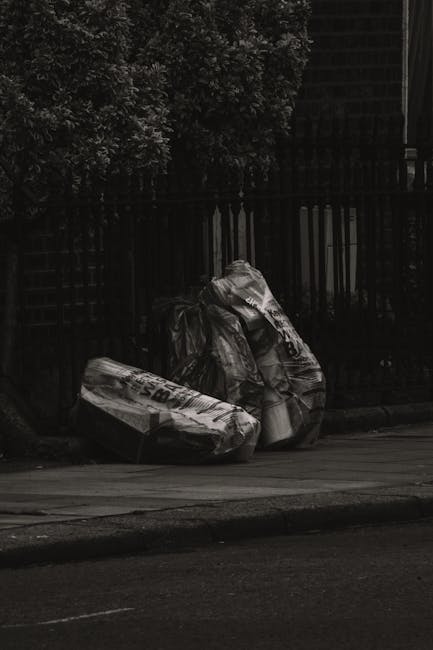
Most unpleasant surprises come from a few predictable mistakes. The good news is that they are easy to avoid once you know what to watch for.
- Booking from a headline price only: the cheapest advert is often the least useful comparison.
- Leaving access details out: staircases, gated entries and parking restrictions should never be an afterthought.
- Assuming every item is treated the same: bulky furniture, builder's waste, and garden waste may be priced differently.
- Not checking whether labour is included: sometimes the removal fee and labour fee are separate.
- Forgetting special waste concerns: some materials need different handling, so ask before booking.
- Failing to get confirmation in writing: a short email or message can save a lot of stress later.
One especially common error is underestimating volume. People glance at a garage or loft and think, "that won't be much." Then the bags come down, the piles spread out, and suddenly it is a different conversation. Happens all the time. A quote based on accurate photos tends to be much safer than an optimistic guess.
Another mistake is not aligning the service with the job. If you need shop waste collected regularly around the station area, you may want a more routine arrangement rather than a one-off booking. A useful local read is shop and cafe rubbish collection near Ilford Station, which gives a better sense of the practical pressures around commercial premises.
Tools, resources and recommendations
You do not need special software or industry knowledge to protect yourself. A few simple tools are enough.
- Phone camera: take clear photos from several angles.
- Notes app or checklist: record what is being removed.
- Measuring tape: handy for bulky items or awkward spaces.
- Calendar reminder: useful if access, parking or landlord permission needs to be arranged in advance.
- Written quote: keep the estimate in one place so you can refer back to it quickly.
For people comparing providers or looking to understand service scope more broadly, the following pages are especially helpful: services overview, pricing and quotes, and about us. They give you a better feel for how a local company frames its work, what kinds of jobs it handles, and the tone of service you can expect.
If you are dealing with a property close to the High Road, local access and timing may be more important than you first think. The page on rubbish removal in Ilford High Road is a useful read for that kind of setting, where traffic, footfall and loading space can all affect the quote.
Small recommendation, but a useful one: keep a screenshot or email of the agreed terms. Not because everyone is out to trick you, but because memory gets fuzzy when a van is parked outside and everyone wants to finish quickly.
Law, compliance, standards and best practice
While this article is about pricing, compliance still matters. A reputable waste carrier should operate within UK waste handling expectations, use lawful disposal routes, and be able to explain how waste is managed. You do not need to become an expert in waste law overnight, but you should expect proper documentation, sensible handling, and honest descriptions of the service.
Best practice usually includes:
- clear pre-booking information;
- honest explanation of what counts as extra;
- no pressure to accept a higher price without reason;
- responsible handling of waste once collected;
- clear terms and conditions that match the quote.
This is also where trust signals matter. Pages such as terms and conditions, insurance and safety, and payment and security are worth reviewing if you want to understand how the business handles risk, payment methods, and operational safeguards.
In practical terms, a provider that is open about safety and payment arrangements usually tends to be more transparent about pricing too. That is not a hard rule, of course, but it is a good sign. And if a company has clear policies on privacy, cookies, accessibility or ethical practice, that tells you it takes the basics seriously. A small thing, perhaps, but these small things stack up.
Options, methods and comparison table
Here is a simple comparison of common approaches when you need rubbish removed in Ilford. The right choice depends on the size of the job, the type of waste, and how much control you want over the final cost.
| Method | Best for | Typical pricing style | Hidden charge risk | Notes |
|---|---|---|---|---|
| Man and van rubbish removal | Household clear-outs, mixed items, bulky waste | By load size or time | Medium | Fast and convenient, but ask about labour and access. |
| Dedicated furniture or item removal | Sofas, beds, wardrobes, single bulky pieces | Per item or small load | Low to medium | Good if the job is simple and well described. |
| House clearance | Whole rooms, deceased estates, major declutters | By volume and labour | Medium to high | Needs accurate photos and a clear scope. |
| Office clearance | Desks, chairs, filing, equipment, business waste | By load, access, or project | Medium | May need scheduled access and coordination. |
| Builders waste disposal | Renovation debris, rubble, timber, plasterboard | By material and volume | Higher | Material type and weight matter more here. |
If you are not sure which route fits, ask for a scope-based quote rather than a blanket price. That gives you room to see where the cost comes from. It also makes it easier to spot a deal that is too good to be true. Usually because, well, it is.
Case study or real-world example
Picture a typical Ilford flat clear-out. Two rooms of mixed items, an old wardrobe, a broken mattress, eight bags of household waste, and a few small appliances. The first quote is temptingly low. It sounds great on the phone, a little too breezy maybe, but no one asks enough questions.
On the day, the crew arrives and discovers three flights of stairs, no lift, awkward parking, and a larger volume than described. Suddenly the cost rises. Not because the company is inventing charges out of nowhere, but because the original quote was based on incomplete information. The customer feels surprised. The provider feels justified. Nobody is happy.
Now compare that with a better approach. The customer sends photos, notes the stairs, mentions the parking situation, and lists the heavier pieces separately. The provider gives a clearer estimate and explains the conditions that could affect the final cost. The final bill is close to the quote, the job finishes on time, and there is no tense back-and-forth in the hallway. Much better all round.
This is especially helpful for homes and businesses near busier parts of Ilford where access can be tricky. If you are also considering the wider local context, articles like the Ilford property market and buying property in Ilford can be useful because property type, layout and access all affect clearance costs more than people often realise.
Practical checklist
Use this checklist before you book. It is simple, but it catches a lot of problems early.
- Have I listed every item or type of waste clearly?
- Have I sent photos from different angles?
- Have I mentioned stairs, parking, gates or tight access?
- Do I know whether the quote includes labour and disposal?
- Have I asked what could make the price change?
- Have I checked whether VAT is included where relevant?
- Do I understand whether the service is a one-off, load-based, or item-based quote?
- Have I matched the service to the job type?
- Do I have the quote in writing?
- Have I confirmed the final price before the loading begins?
Quick practical takeaway: if you can describe the job clearly in one paragraph and the provider can price it clearly in one response, you are usually on safer ground.
Conclusion
To avoid hidden rubbish removal charges in Ilford, focus on clarity before booking, not after the van arrives. The best protection is a detailed description, good photos, a written quote, and a direct conversation about what is and is not included. That approach keeps the job simple, protects your budget, and cuts down the stress that often comes with clear-outs.
It also helps you choose a provider with confidence. Transparent pricing is not just about numbers; it is a sign that the company understands how real jobs work in real properties, with real access issues and real time pressures. That is what you want when you are trying to get things done without fuss.
If your clear-out is coming up soon, take ten minutes now to organise the details. That small bit of effort can save you a very annoying surprise later. And honestly, that is time well spent.
Get a free quote today and see how much you can save.

 Tipper Van - Rubbish Removal and Rubbish Collection Prices in Ilford, IG1
 Luton Van - Rubbish Removal and Rubbish Collection Prices in Ilford, IG1

