

Shop and cafe rubbish collection near Ilford Station
Posted on 29/05/2026
Shop and Cafe Rubbish Collection Near Ilford Station: A Practical Guide for Busy Local Businesses
Running a shop or cafe near Ilford Station means your rubbish has a habit of appearing faster than you planned. One busy lunch rush, a few cardboard deliveries, some food prep waste, and suddenly the back area looks tight, messy, and slightly overwhelming. That is exactly why shop and cafe rubbish collection near Ilford Station matters so much: it keeps customer areas tidy, helps staff work safely, and stops waste from becoming one more thing on an already packed to-do list.
Whether you manage a coffee spot, a takeaway counter, a convenience store, or a small retail unit, the right collection setup can save time and stress. In a lively area like Ilford Station, where footfall, deliveries, and limited storage all collide, a sensible waste plan is not a luxury. It is part of everyday operations. This guide explains how it works, what to look for, the mistakes people make, and how to choose a collection approach that actually fits a real-world business.
If you want a broader sense of the service landscape first, the services overview is a helpful place to start. For local business owners comparing options, the detail on pricing and quotes can also make the decision a lot clearer.
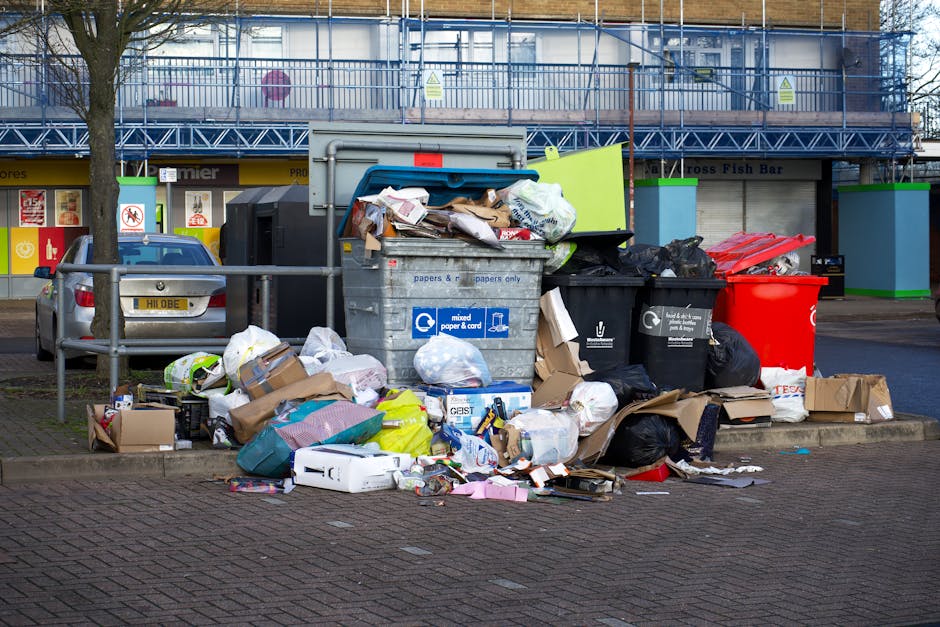
Why Shop and Cafe Rubbish Collection Near Ilford Station Matters
Waste builds up quickly in high-traffic commercial spots. Near Ilford Station, that is especially true because shops and cafes often work with small back-of-house areas, regular deliveries, and customers passing through all day. A few overfilled bins might not sound serious, but the knock-on effect can be messy floors, blocked access, unpleasant smells, and staff spending time on waste instead of serving customers.
For a cafe, rubbish is often a mix of coffee grounds, food packaging, food prep waste, takeaway cups, napkins, cardboard, and general refuse. For a shop, it may be heavy packaging, broken display items, shrink wrap, old stock, and the odd awkward item that no normal bin service is going to love. To be fair, waste is one of those things you barely notice when it is under control, and immediately notice when it is not.
There is also a customer-facing angle. People do notice bins by side entrances, overflowing sacks, or a cluttered pavement at opening time. That matters in a station area where first impressions happen fast. A neat frontage suggests a business that is organised, cared for, and easy to trust.
If you are thinking about the wider character of the area, the local context is worth a look too. The posts on Ilford as a suburban haven in London and rubbish removal around Ilford High Road give a useful sense of how busy the local environment can be for traders and hospitality venues.
Expert summary: Good rubbish collection is not just about "getting rid of waste". For shops and cafes, it protects space, presentation, hygiene, and staff flow. In a busy station area, those things are connected more tightly than people sometimes expect.
How Shop and Cafe Rubbish Collection Near Ilford Station Works
In simple terms, rubbish collection for a shop or cafe means a service comes in to remove commercial waste from your premises on a planned basis or as a one-off job. Depending on your setup, that might include sacks, bins, loose waste, cardboard, packaging, and bulky items. The process is usually more flexible than a standard municipal service, which is useful when trading hours and waste volumes vary.
Most businesses start by identifying the waste types they produce. That sounds obvious, but it is the step many teams skip. A cafe that handles food waste, for example, needs a different approach from a gift shop dealing mostly with packaging and display materials. Once the waste stream is clear, a provider can usually suggest how often collection should happen and what sort of load is realistic.
Collection can be arranged around opening hours, delivery windows, or quieter periods. That flexibility matters near a station because access, pedestrians, and traffic can make timing a real issue. The better services work around your business rather than forcing your team into an awkward routine. And yes, that can make life much calmer.
For many businesses, the service may also be linked with wider clearance needs. If you are clearing a storeroom, dealing with old fixtures, or replacing worn furniture, it can make sense to look at related services such as office clearance in Ilford, furniture disposal in Ilford, or general waste clearance when the job is broader than day-to-day bin emptying.
Typical rubbish types from shops and cafes
- Cardboard and delivery packaging
- Food waste and kitchen scraps
- Used paper goods, napkins, and disposable service items
- Plastic wrap, film, and mixed packaging
- Broken shelving, signs, or small fixtures
- Old stock, damaged products, and end-of-line items
- Occasional bulky items during refits or resets
Key Benefits and Practical Advantages
There are the obvious benefits, and then there are the quieter ones that only become obvious when they are missing. The obvious one is cleanliness. The quieter one is rhythm. A good collection arrangement creates a predictable pattern for your staff, which means fewer interruptions and less random bin juggling before the morning rush.
Here are the main practical advantages:
- Better hygiene: waste is removed before it starts to smell, spill, or attract pests.
- Safer working conditions: staff are less likely to trip over sacks or carry overflowing bags through customer areas.
- Improved appearance: a tidy frontage and back-of-house area looks more professional.
- Time savings: your team spends less time handling rubbish and more time serving customers.
- Flexible handling: useful when waste volumes spike after deliveries, events, or stock changes.
- Better space use: especially important in compact units near transport hubs.
There is also a planning benefit. Once you understand your waste pattern, you can reduce unnecessary collections and stop paying for avoidable inefficiency. Not every business needs the same frequency. Some cafes run a steady daily output; others are quieter midweek and heavier on weekends. Shops often have delivery-driven peaks rather than constant waste flow. The right setup respects that difference.
If sustainability is part of your brand, it helps to choose a service that supports sorting and recycling where practical. The site's recycling and sustainability approach is useful reading for businesses that want waste handling to align with broader environmental goals, not just convenience.
Who This Is For and When It Makes Sense
This type of service is for any small or medium commercial premises that produces waste faster than a standard setup can comfortably handle. In and around Ilford Station, that often includes independent cafes, grab-and-go food outlets, convenience stores, florists, barbers with retail shelves, mini markets, and small hospitality venues.
It also makes sense in a few specific situations:
- You have limited storage. If there is barely room for a couple of bins, the waste system needs to be efficient.
- Your waste is variable. One busy weekend can create a different waste pattern from the rest of the week.
- You are dealing with a refit or change of use. Shops and cafes often generate bulky waste during refreshes, which is not the same as regular bin waste.
- You are trying to keep customer areas spotless. Small premises live or die by presentation, really.
- You have compliance concerns. Businesses want clarity on what is collected, how it is removed, and where it ends up.
It is also relevant for landlords, managing agents, and business owners buying or taking over units in the area. If you are weighing up the long-term value of a premises, the local business environment matters. Some readers will find the articles on the Ilford property market and buying property in Ilford surprisingly useful, because waste logistics can be part of the operational picture, not just a background issue.
One small but real point: if your back area already feels cramped at 7:30 in the morning, it will not magically feel more spacious by 3:00 in the afternoon. Waste planning needs to fit the physical reality of the unit.
Step-by-Step Guidance
If you are setting up or reviewing shop and cafe rubbish collection near Ilford Station, keep the process simple. The more complicated the system becomes, the more likely staff are to quietly ignore it when things get busy. That is human nature.
1. Identify what you throw away
Start with a rough waste audit. You do not need a formal spreadsheet masterpiece. Just note the main waste types across a normal week: general refuse, cardboard, food waste, plastic film, packaging, and bulky or broken items. A couple of days of observation is often enough to reveal the pattern.
2. Estimate volume and timing
Ask when waste peaks. After deliveries? After lunch service? At closing time? This helps decide whether you need frequent collections, a slightly larger holding area, or just better internal sorting. If waste always spikes on Friday, for example, that tells you something useful.
3. Choose a collection method
Pick the option that suits your waste type and space. A tidy small business may need regular collections of compacted bags, while a cafe with packaging-heavy waste might need a different arrangement. If you are unsure, it is usually better to begin with a simpler system and adjust rather than overcomplicate everything from day one.
4. Plan access and storage
Where will waste be stored before collection? Can collection happen without blocking customers or staff routes? Near a station, access is a genuine practical issue. Narrow pavements, delivery vehicles, and commuter flow can all make timing feel a bit tight. A clear collection point helps avoid awkward lifting and repeated moving of bags.
5. Build the routine into staff habits
Assign who bins what, when bins get checked, and where the overflow goes if a busy day creates more waste than expected. This is where good systems succeed or fall apart. Even the best collection setup will struggle if sacks are left in the wrong place.
6. Review after a few weeks
Check whether the schedule is working. Are bins filling too quickly? Is there too much empty capacity? Are staff spending too long dealing with packaging? Adjust the collection rhythm and internal process as needed.
Expert Tips for Better Results
A few small changes can make rubbish collection feel dramatically easier. Nothing dramatic. Just sensible, repeatable habits that reduce friction.
- Separate cardboard early. Flat cardboard is easier to manage than crushed mixed waste.
- Keep wet waste and dry waste apart where possible. Mixing them often creates smell and handling problems.
- Use labelled internal bins. Staff are more likely to sort correctly when the choice is obvious.
- Place bins where the work happens. If people must walk too far, rubbish tends to get left on counters. Human beings are efficient like that, unfortunately.
- Schedule collections before the worst accumulation point. Avoid waiting until the bin is already overflowing.
- Think about opening hours and deliveries together. Waste and stock often arrive in the same tight window.
Another useful habit is to keep one person responsible for waste oversight, even if the whole team participates. That does not mean they do all the work. It just means someone notices when the routine is slipping. Small thing, big difference.
For operators who care about the broader local journey, the resident views on living in Ilford and the area guide on Ilford High Road rubbish removal give a more grounded sense of how local streets, businesses, and day-to-day movement all interact.
Common Mistakes to Avoid
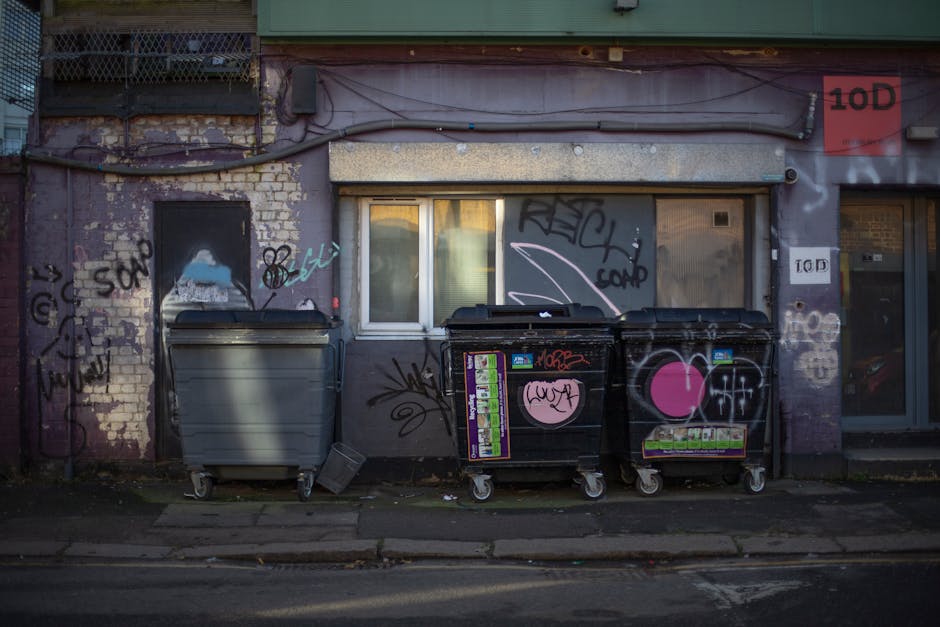
Most waste problems come from a few repeat mistakes. The good news is they are fixable. The less good news is that people often discover them only after the area is already chaotic.
- Ignoring waste separation: mixing everything together makes disposal less efficient and can increase smell.
- Assuming one schedule fits all: a cafe and a retail shop do not produce rubbish in the same way.
- Leaving collection planning until the last minute: this leads to rushed decisions and awkward storage.
- Forgetting bulky items: old chairs, display units, and broken counters need a separate plan.
- Blocking access routes: waste left in the wrong place slows everyone down and creates safety issues.
- Overlooking staff training: if the team does not know the system, it will quietly unravel.
There is also a tendency to focus only on price. Fair enough, cost matters. But the cheapest option is not always the best if it causes delays, poor communication, or repeat mess. A slightly more structured service often saves money indirectly by avoiding disruption. That part gets missed a lot.
Tools, Resources and Recommendations
You do not need fancy equipment to manage commercial rubbish well, but a few simple tools help a lot:
- clearly labelled internal bins or sacks
- cardboard flatteners or a simple cutting tool for packaging
- gloves for handling awkward waste safely
- a small log for waste patterns and collection notes
- stackable storage where premises space is limited
- a visual guide for staff showing what goes where
For business owners comparing broader support, the pages on rubbish collection in Ilford and waste clearance in Ilford are useful for understanding how routine collections and one-off clearances can work together. If your business also has furniture or fixtures to remove, the dedicated furniture disposal service may be the better fit for that part of the job.
And if you are at the stage of comparing providers, keep an eye on clarity. Good services explain what they collect, how they collect it, what happens next, and how you will be billed. A provider that explains things plainly is usually easier to work with on a rainy Tuesday morning when the back entrance is awkward and everyone is trying to open on time.
Law, Compliance, Standards, or Best Practice
Commercial waste handling in the UK should be treated carefully and professionally. Without pretending every business needs a legal lecture, there are a few sensible expectations that matter. Businesses generally need to ensure their waste is stored safely, transferred to an appropriate collection service, and handled in a way that avoids nuisance, contamination, or avoidable risk.
Best practice usually includes keeping waste secure, preventing spillages, and making sure staff know what can and cannot go into each bin stream. If you produce food waste, oily waste, or mixed commercial waste, the details of handling matter more than people sometimes realise. The practical side is simple: tidy waste management helps reduce hygiene issues and keeps operations smoother.
It is also smart to work with a provider that is transparent about insurance, safety, and payment processes. If you want to understand those basics better, the pages on insurance and safety, payment and security, and terms and conditions are the kind of background reading that helps build confidence before you book anything.
For businesses with values-led operations, the company's modern slavery statement and privacy information also support a more transparent supplier relationship. Not glamorous, no. But useful. And honestly, that counts.
Options, Methods, or Comparison Table
Not every business needs the same rubbish solution. The right choice depends on waste type, collection frequency, storage space, and how busy the premises is. Here is a practical comparison to help narrow it down.
| Option | Best for | Pros | Watch-outs |
|---|---|---|---|
| Regular scheduled collection | Busy shops and cafes with predictable waste | Stable routine, less build-up, easier staff habits | May need adjustment during busy periods |
| Ad hoc or one-off collection | Refits, clear-outs, or temporary waste spikes | Flexible, useful for occasional larger loads | Not ideal for day-to-day waste control |
| Mixed waste handling | Smaller premises with limited sorting space | Simple for staff, less internal complexity | Can be less efficient if recyclable waste is mixed in |
| Separated waste streams | Cafes and shops wanting better recycling control | Cleaner system, better sorting, clearer compliance | Needs better staff training and more discipline |
In many real businesses, the best answer is a hybrid approach. Regular collection handles the routine load, while occasional clearances deal with bigger jobs. That keeps the system practical instead of over-engineered.
Case Study or Real-World Example
Picture a small independent cafe near Ilford Station. Morning trade is strong, lunch is busier than expected, and delivery boxes start piling up behind the counter. By mid-afternoon, the back prep area feels cramped. Staff are trying to keep the front spotless while also squeezing through a narrow route to the bins. It is not a disaster, but it is edging towards one of those "we need a better system" moments.
The owner reviews waste over a week and notices three patterns: cardboard from deliveries, food prep waste after lunch, and general refuse from customer service. Rather than leaving everything to a single overloaded bin point, the cafe separates cardboard early, keeps food waste contained, and arranges a more consistent collection rhythm. The result is not magical, just calmer. Staff stop spending the final half-hour of the day wrestling with sacks. The shop front looks cleaner. The morning opening routine gets easier.
That kind of change is common. You do not always need a huge intervention. Often you just need a better fit between waste volume, space, and trading rhythm. Truth be told, a lot of waste problems are really layout problems wearing a rubbish hat.
For businesses that are also clearing out a larger space, related services like house clearance in Ilford or loft clearance in Ilford can be useful where mixed items or stored stock need a more comprehensive removal plan.
Practical Checklist
Use this quick checklist before you book or adjust a collection plan:
- Identify your main waste types clearly.
- Estimate how often bins fill during a normal week.
- Separate food waste, cardboard, and general refuse where practical.
- Check where waste will be stored before collection.
- Make sure access routes are not blocked.
- Agree who on staff is responsible for waste checks.
- Plan for busy periods, deliveries, and seasonal spikes.
- Review whether bulky items need separate removal.
- Confirm pricing, collection timing, and service scope in advance.
- Revisit the system after a few weeks and adjust if needed.
If you can tick most of those off, you are already ahead of many small businesses. Not perfect. Just properly on it.
Conclusion
Shop and cafe rubbish collection near Ilford Station is really about keeping your business smooth, safe, and presentable in a busy local setting. The right approach reduces clutter, supports hygiene, protects staff movement, and helps your premises feel under control even when the day gets hectic.
The best systems are usually the simplest ones that match reality: the space you have, the waste you produce, and the hours you keep. Once those three line up, everything feels easier. Openings are calmer. Closings are quicker. And the back area stops being a daily headache.
For a local business, that kind of steady reliability matters more than people realise. It is one of those behind-the-scenes choices that makes the whole operation feel more professional, day after day.
Get a free quote today and see how much you can save.
If you are comparing providers or want a clearer idea of what fits your premises, start with the local service pages and then check the quote information. A few minutes of planning now can save a lot of awkward bin drama later, and frankly, who needs that?
 Tipper Van - Rubbish Removal and Rubbish Collection Prices in Ilford, IG1
 Luton Van - Rubbish Removal and Rubbish Collection Prices in Ilford, IG1

