

Redbridge Council rubbish rules for Ilford households
Posted on 19/10/2026
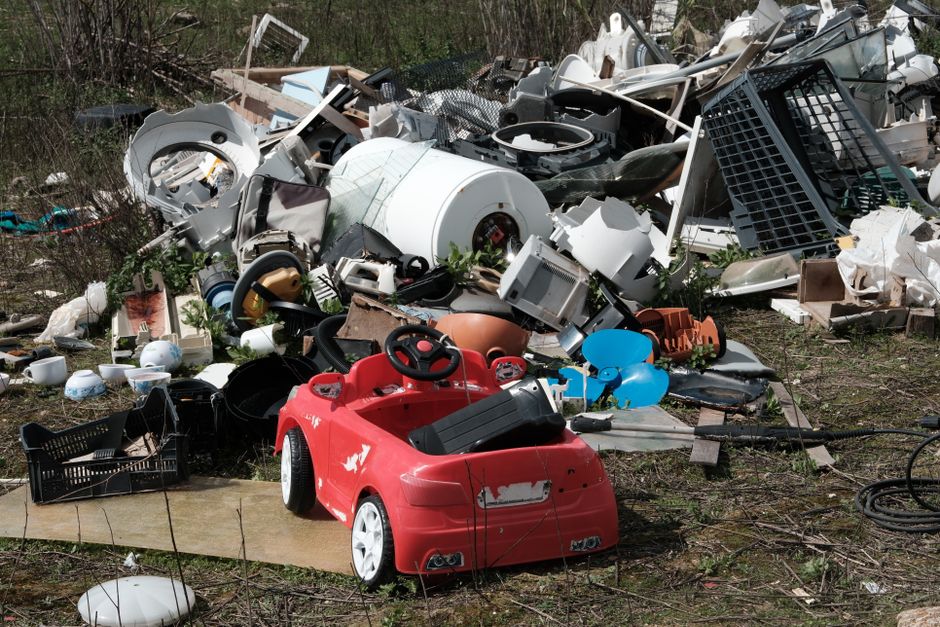
If you live in Ilford, rubbish rules can feel simple one day and oddly complicated the next. One missed bin day, a bulky item left outside too early, or the wrong material in a recycling sack can turn into a nuisance very quickly. This guide explains the key Redbridge Council rubbish rules for Ilford households in plain English, so you can put things out correctly, avoid common mistakes, and keep your home and street tidy without second-guessing every bag.
We'll cover what the rules usually mean in practice, how household collections tend to work, what to do with bulky items, how recycling expectations differ from general waste, and where people often get caught out. If you're planning a clear-out, moving home, or just trying to keep on top of weekly rubbish, this should save you time. And maybe a bit of frustration too, which let's be honest, is welcome on a busy London week.
Why Redbridge Council rubbish rules for Ilford households Matters
Rubbish rules matter because they affect more than your own kerbside. They shape how clean the street looks, how easy it is for collections to happen, and how much waste ends up being recycled rather than dumped as general rubbish. In a dense area like Ilford, those details make a real difference. A small mistake on bin day can lead to missed collection, extra mess, or bags being left out in the rain where foxes and gulls can have a field day. Not ideal.
There's also a practical side. If you are clearing out a flat, managing a family home, or dealing with post-renovation waste, knowing the local expectations helps you plan better. You can separate recycling early, decide whether bulky items need a special collection, and avoid leaving things until the night before. That matters even more if access is awkward, which is common in some Ilford terraces and flats. For local context on living patterns and housing pressure, our article on living in Ilford gives a useful picture of everyday life here.
Expert summary: Most rubbish problems in Ilford do not start with a dramatic rule breach. They start with small, easy-to-miss habits: wrong bin, wrong day, wrong placement, or assuming one council collection suits everything. Get those basics right and life becomes much easier.
How Redbridge Council rubbish rules for Ilford households Works
The broad idea is straightforward: your household waste should go into the right container, on the right day, in the right way. In practice, that means treating general waste, recycling, food waste, garden waste, and bulky items as different streams. They are not all handled the same way, and that's where many households get tripped up.
Weekly collections are usually the main routine for ordinary rubbish and recycling. Most homes will need to separate items carefully, because mixed bins can contaminate a load and lead to rejected recycling. If you've ever stood at the kitchen counter holding a rinsed yoghurt pot and wondered, "does this go here or there?" you are not alone. The answer often depends on material, cleanliness, and local collection rules rather than guesswork.
Bulky waste is different again. Mattresses, wardrobes, broken chairs, old desks, and similar items usually need a separate arrangement rather than just being left with the black bags. Garden waste may also have its own rules. If you are clearing a shed or pruning back a front garden after a wet weekend, you may need to think about how branches, soil, and bags of cuttings are handled. For more practical support on that side of things, see our guide to garden waste removal in Ilford.
There is a sensible rhythm to it all once you know the pattern. Put out the right materials, on time, in the correct container, and keep pathways clear. Simple. Not always easy, but simple.
What household waste usually includes
- General rubbish that cannot be recycled in your local stream
- Common recyclables such as paper, card, cans, glass, and selected plastics
- Food waste where provided
- Garden waste, if you subscribe to or use that service
- Bulky items arranged separately
What usually causes confusion
- Flattening packaging but leaving it dirty
- Mixing soft plastics with other recyclables
- Leaving bins in the wrong spot for collection crews
- Overfilling bags so they split before collection
- Putting out bulky waste too early or without booking it properly
Key Benefits and Practical Advantages
Following the rules is not just about avoiding hassle. It can make everyday household management noticeably easier. The biggest benefit is predictability. You know what goes where, which means fewer last-minute scrambles and fewer bags cluttering the hallway because nobody is quite sure what to do with them yet.
Another practical advantage is hygiene. Properly contained waste reduces smells, spillages, pests, and the kind of mess that seems to appear at the worst possible time, usually just before guests arrive or after a long day when you really cannot be bothered. Households in busier parts of Ilford also tend to benefit from better kerbside tidiness, which matters on streets where bins, cars, and pedestrian space are already competing for room.
There is also a money angle. If you sort waste correctly, you are less likely to need emergency clearance or repeated trips to local disposal options. A lot of people only realise this after a loft, garage, or spare-room clear-out begins to snowball. At that point, costs and effort both rise. If that sounds familiar, our pages on house clearance in Ilford and loft clearance may be helpful later on.
Real-world advantages at a glance
- Less chance of missed collections
- Cleaner outdoor spaces around the home
- Better recycling outcomes
- Less need for rushed private waste solutions
- Reduced stress during clear-outs and house moves
Who This Is For and When It Makes Sense
This guidance is for anyone living in a house, flat, maisonette, or shared property in Ilford. That includes long-term residents, tenants, landlords, homeowners preparing to sell, and new arrivals getting used to local routines. If you have ever moved into a place and discovered three different bins with no explanation at all, this section is for you.
It also makes sense if you are planning a one-off clear-out. Maybe you have just done a room refresh, or perhaps you are sorting out the remains of a big birthday, a family visit, or a small DIY project. Household waste rules become more relevant when volume increases. A single broken chair is one thing. Ten bags of mixed clutter, half a dismantled wardrobe, and two rusted shelves are another.
People in flats often need extra care because storage space is limited and collection access can be awkward. If that sounds familiar, our article on access issues for flats in Ilford covers a very real local headache. Similarly, if you are moving through the property market or planning to buy in the area, waste management is one of those invisible chores that suddenly becomes very visible. Our posts on the Ilford property market and buying property in Ilford touch on the wider homeownership context.
Step-by-Step Guidance
Here is a sensible way to handle rubbish at home without overcomplicating it. You do not need to turn your hallway into a sorting centre. Just work through the waste stream by stream.
- Check what type of waste you have. Separate general waste, recycling, food scraps, garden cuttings, and bulky items before you start bagging everything together.
- Use the right container. Black bag, recycling box, food caddy, or authorised bin: each one has a job. Mixing them creates avoidable problems.
- Keep recyclables clean enough. You do not need spotless packaging, but greasy containers and half-full bottles are usually poor candidates for recycling streams.
- Do not overfill sacks or bins. If bags split or lids cannot close, collection crews may treat them as unsuitable. That is one of those annoying little details that matters more than it should.
- Put waste out at the correct time. Early placement can cause mess, obstruction, and in some cases complaints from neighbours. Nobody enjoys stepping around a pile of bins at 7 a.m.
- Book bulky collections in advance. Furniture, appliances, and other large items usually need planned removal rather than casual kerbside placement.
- Handle special items separately. Paint, sharp items, batteries, and electrical goods may need special care. When in doubt, keep them apart until you know the right route.
- Reset your system after collection. A quick tidy-up after bin day makes the next one easier. Small habit, big payoff.
A simple kitchen checklist helps more than people think. If the recycling container is by the back door, the food caddy has a clear spot, and bulky waste is marked for later, the whole household tends to follow suit. Funny how that works.
Expert Tips for Better Results
First, think in terms of waste prevention, not just waste disposal. That sounds a little lofty, but in practical terms it means pausing before you throw things away. Can it be reused? Can it be donated? Does it need dismantling? A 30-second check often saves a bin bag and a future headache.
Second, if you live in a shared building, coordinate with neighbours or your managing agent where possible. Shared bins fill fast, and one household's sloppy disposal can affect everyone. We have seen the same old story: one overloaded recycling bin on a Monday becomes four separate bins by Thursday, all with cardboard poking out the top. It looks harmless until collection day, then suddenly it is not.
Third, be careful with mixed refurbishment waste. Even a small DIY job can create heavy, awkward material. Offcuts, tiles, soil, broken fixtures, and packaging all behave differently. If your project is more than a light tidy-up, you may be better off using a dedicated collection route rather than trying to squeeze everything into domestic bins. For that kind of job, builders waste disposal in Ilford is a sensible related service to know about.
Fourth, do not assume a fast solution is always the best solution. Same-day help can be useful, especially after a sudden clear-out or move, but delays, parking, and access problems do happen in busy parts of town. Our guide to same-day rubbish removal in Ilford explains why a little planning still matters even when you are in a hurry.
Common Mistakes to Avoid
Most household waste problems are predictable. That is the annoying part. The good news is they are also avoidable once you know the pattern.
- Mixing recycling with food waste. This is one of the most common contamination issues. A single dirty item can undermine a small recycling load.
- Putting out bags too early. It may feel efficient at the time, but it often creates clutter, smells, and the possibility of damage or pests.
- Leaving bulky items on the pavement. Unless arranged properly, that can create complaints and collection issues.
- Forgetting access constraints. If bin crews or clearance teams cannot reach the waste safely, the job becomes slower or more expensive.
- Ignoring garden waste build-up. A weekend of pruning can create far more material than expected, especially after a wet spell when everything weighs more than it looks.
- Assuming "out of sight" means sorted. Pushing rubbish into a corner or shed just delays the issue. It does not actually solve it.
Truth be told, the biggest mistake is usually doing nothing until the pile gets awkward. That is when people end up looking for urgent help, paying more, and feeling slightly cross about the whole thing. Understandable, really.
Tools, Resources and Recommendations
You do not need fancy equipment to manage domestic waste well. A few simple tools go a long way. Stackable boxes, labelled bags, a small indoor food caddy, a marker pen, and a reusable tote for dry recyclables can make sorting much less irritating.
If you are doing a bigger home clear-out, think in zones. One area for keep, one for donate, one for recycle, one for dispose. It sounds a bit organised for a Saturday morning, but the system works. It stops mixed piles spreading across rooms and makes loading easier if you later need collection support.
For householders who want to keep things efficient without breaking the flow of home life, it can help to understand the broader service landscape. Our services overview gives a quick sense of the different types of waste help available. If you are comparing options or trying to budget for a larger job, the pricing and quotes page is also a practical next stop.
And if sustainability matters to you, which it should, our page on recycling and sustainability is worth a look. Keeping reusable items out of general waste is one of the simplest ways households can do their bit without turning life upside down.
Law, Compliance, Standards, or Best Practice
This section needs careful wording. Household waste rules can involve local council requirements, national waste law, and general duty-of-care expectations. Rather than guessing at exact thresholds or inventing specifics, the safest approach is to follow the collection instructions provided for your address and use approved disposal routes for anything unusual.
In plain terms, compliance means three things:
- Dispose of waste responsibly. Do not leave it where it can obstruct paths, attract pests, or cause a hazard.
- Separate materials properly. Recycling should be kept as clean and uncontaminated as practical.
- Use suitable routes for special waste. Electrical items, sharp objects, heavy debris, and certain household chemicals should not be treated like ordinary black-bag rubbish.
Best practice is to plan ahead and keep records where needed, especially for bigger clear-outs or property moves. If you book private waste support, ask what is included and what happens to the materials afterwards. That question is not fussy. It is sensible. Our insurance and safety page may also be useful if you are thinking about risk, access, and proper handling on site.
As with any local waste arrangement, if your situation is unusual, take the cautious route. When access is tight, items are heavy, or you are unsure whether something counts as standard household waste, a careful check now is better than sorting out a problem later. Much better, actually.
Options, Methods, or Comparison Table
Different waste types need different solutions. Here is a simple comparison to help you choose the most practical route.
| Waste type | Best approach | Good for | Watch-outs |
|---|---|---|---|
| General household rubbish | Normal household bin collection | Everyday waste from kitchens, bathrooms, and general tidying | Do not overfill or place out incorrectly |
| Dry recycling | Separate recycling containers or boxes | Paper, cardboard, cans, glass, and suitable plastic packaging | Contamination from food or mixed items |
| Food waste | Food caddy or designated collection route | Leftovers, peelings, and kitchen scraps | Use correct liners and keep the caddy manageable |
| Garden waste | Garden waste collection or private removal | Grass cuttings, branches, weeds, and light green waste | Soil and heavy loads may need a separate plan |
| Bulky household items | Booked bulky collection or professional clearance | Furniture, mattresses, white goods, and large awkward items | Do not assume curbside placement is enough |
For householders who are trying to keep things moving during a bigger project, a professional collection can save a lot of lifting and back-and-forth. That is especially true when access is awkward or time is tight. Our pages for rubbish collection in Ilford and waste clearance in Ilford are useful if you need to compare how a managed collection fits into your plans.
Case Study or Real-World Example
Consider a fairly typical Ilford household: a two-bedroom flat, one resident working from home, another commuting, and a backlog of old items building up in the spare room. Nothing dramatic. Just a box of worn-out papers, an old chair, several flattened delivery cartons, a couple of broken kitchen bits, and a few bags of clothes waiting to be sorted.
At first, it all seems manageable. Then Saturday arrives, and suddenly the room looks smaller than expected. That is usually how these things go. The key decision is whether the waste can be sorted over a few collection cycles or whether it has become a genuine clearance job. In this example, the household separates recyclables, keeps general rubbish in proper bags, checks the bulky chair and broken furniture for a separate route, and books a removal option for the larger items rather than trying to force everything into ordinary bins.
The result is calmer, quicker, and less messy. More importantly, they do not spend Sunday afternoon wondering where the old chair can be hidden. If you have ever had a piece of furniture leaning against a wall for three weeks, you know the feeling.
That sort of planning also helps families near busier roads or around local shopping areas, where parking and timing can make a straightforward job unexpectedly fiddly. For a nearby use case, our guide to rubbish removal on Ilford High Road explores some of the practical pressures that can shape collection choices.
Practical Checklist
Use this checklist before your next bin day or house clear-out. It is simple, but it saves a lot of bother.
- Have I separated general waste from recycling?
- Are food scraps in the correct container?
- Are bags tied securely and not overfilled?
- Is any bulky item booked or arranged properly?
- Have I checked whether garden waste needs a separate route?
- Are batteries, sharp items, and electricals kept apart?
- Will the bins be easy to access on collection day?
- Have I avoided leaving waste out too early?
- Is anything reusable better donated or passed on?
- Do I need extra help for a larger clear-out?
If you can tick most of those off, you are already doing better than a surprising number of households. No judgement. Life gets busy.
Get a free quote today and see how much you can save.

Conclusion
Redbridge Council rubbish rules for Ilford households are much easier to manage once you understand the basics: sort waste properly, use the right containers, respect collection timing, and treat bulky or unusual items separately. That is the heart of it. The rest is just routine and a little organisation.
If your home is running smoothly, great. If it is not, you are not alone. Most waste headaches come from normal life building up gradually, not from one huge mistake. A few small changes can make bin day calmer, the home tidier, and clear-outs far less stressful. And that is a win worth having, especially in a busy place like Ilford.
So start with one drawer, one bin, one room. Small steps count. They really do.
 Tipper Van - Rubbish Removal and Rubbish Collection Prices in Ilford, IG1
 Luton Van - Rubbish Removal and Rubbish Collection Prices in Ilford, IG1


